
CIT Home » About CIT » Developing CIT » Strategic Plan

Strategic Plan

To download a copy of the CIT Strategic Plan click on the link: Strategic Plan

The essence of the Strategic Plan can be summed up in the Institute’s new Mission Statement. The Mission Statement is “To provide student-centred education with a career focus for the benefit of the personal, intellectual and professional development of the student and for the benefit of the whole of society”. This Mission Statement emphasises that the student is central to all activities and initiatives at CIT. It reaffirms CIT’s long-standing commitment to career focused education and it acknowledges our responsibility to the wider society. Side by side with the Mission Statement is the Institute’s Strategic Vision. The Strategic Vision captures in a single statement what a successful future will entail for CIT. The Strategic Vision is “CIT will be a pre-eminent provider of career focused education that embraces diversity and innovation”. The Strategic Plan contains the stepping stones to achieving this vision of an open and diverse institution which has a reputation, nationally and internationally, for the provision of high quality career focused education.

The Strategic Plan is an extensive document which charts in detail what the Institute hopes to achieve in the coming years. There are over one hundred and forty specific objectives outlined in the Plan and the achievement of each objective will move CIT a step closer to the Institute’s Strategic Vision. There are four main themes that occur repeatedly throughout the Plan and these are at the root of most of the objectives. These themes are Student and Graduate Development, Academic Excellence, Communication, Modernisation, and the continued development of the Built Environment.

Student and Graduate Development

The responsibilities of CIT towards its students go far beyond the delivery of academic programmes. To encourage their development as effective members of society, it is important that the Institute satisfy not just their academic needs but also their social, cultural and personal needs. As a student-centred institution CIT will develop the talents of its students in a supportive environment. The Institute will strive for an enhanced student experience in an environment which promotes learning and personal development. Furthermore, the Institute will forge closer links with its alumni.

Academic Excellence/Student Welfare

The quality and relevance of the Institute’s academic programmes underpins the content of the entire Plan. CIT will continue to improve its existing programmes of study as well as developing new courses where the need arises. The result of this development will be an academic portfolio which offers students choice and flexibility in their learning while meeting the needs of employers and the wider society.

Communication

Communication is the life blood of the Institute and refers both to the internal flow of information within the Institute and to effective communication and promotion in the external environment. The Plan outlines many initiatives which are designed to improve the ease and accuracy with which information flows throughout the Institute. Another key aspect is the raising of the profile of CIT so that our activities, contributions and needs are increasingly visible to those outside the Institute.

Modernisation

As mentioned earlier CIT is currently undergoing many changes to its fundamental structure. Key among these changes are those concerned with the management and governance of the Institute. The lifespan of the Plan will see the transition to a modern management and governance paradigm which embraces Workplace Partnership. The Plan also addresses the establishment of effective, modern and flexible work practices across the Institute with an emphasis on Partnership and quality of service.

The Built Environment

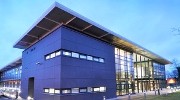
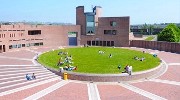
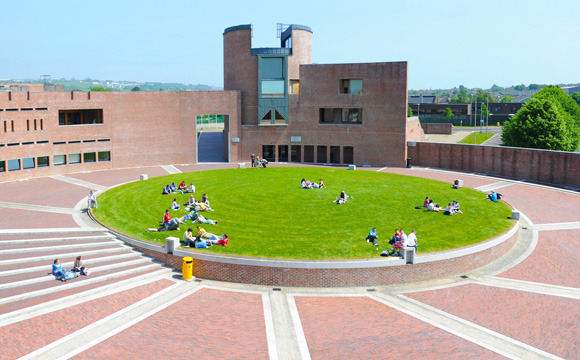
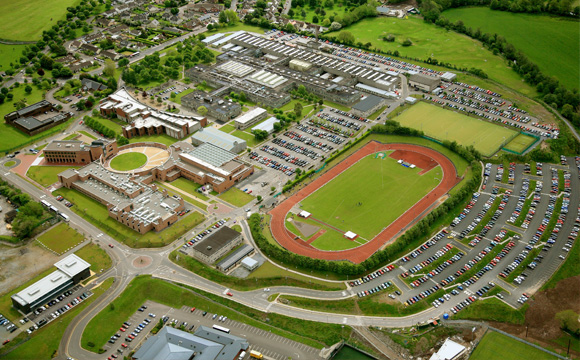
The built environment of CIT is undergoing major changes at present. These, however, are just the beginning of the proposed developments. The Plan outlines developments which will concentrate not only on new building projects but also on the upgrade of existing buildings and on the creation of accessible and attractive public spaces on all of the Institute’s campuses.